About
Tuğba
Menşur
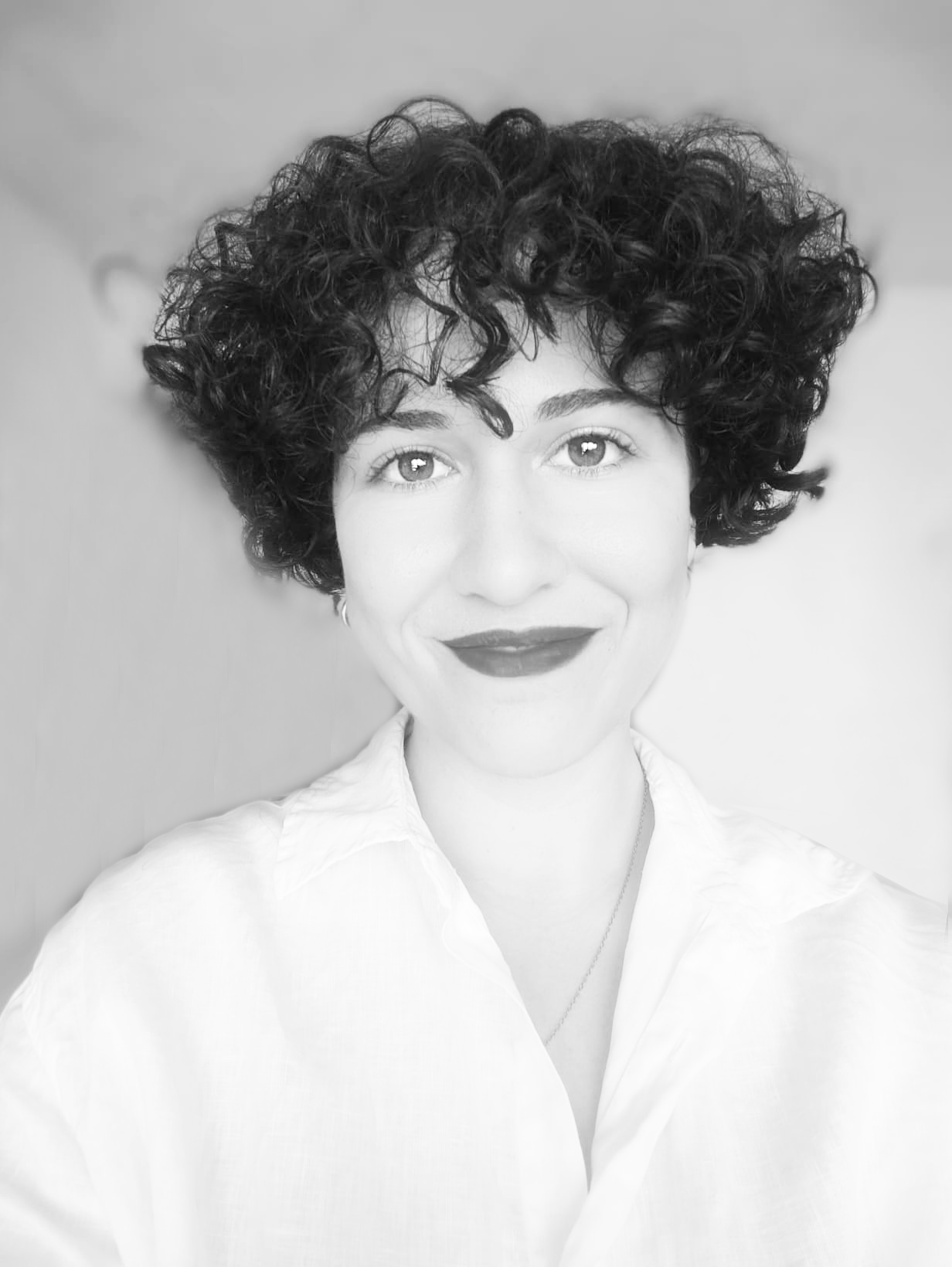
Tuğba Menşur is an architect and urban researcher whose work focuses on architectural analysis, spatial thought, urban memory, and the relationship between drawing and the built environment. She completed her undergraduate education in both Architecture and City & Regional Planning at Mimar Sinan Fine Arts University, where she developed an interest in the relationship between buildings, cities, and larger spatial systems. She later received her master’s degree in Architectural Design from Istanbul Technical University. Her graduate research explored the role of concepts in architecture, examining how ideas shape design processes, construct ideological frameworks, and influence architectural production.
She currently works as a researcher at Foundation of Home and City (Ev ve Şehir Vakfı), founded by architect, thinker, and urban planner Turgut Cansever. Her work involves research on urban history, housing, and contemporary urban issues through a broad international body of architectural and urban studies literature. Alongside editorial contributions to the republication of Cansever’s works, she participates in discussions and research that seek alternative approaches for more livable cities and healthier built environments.
Her developing doctoral research also examines how earthquakes reshape urban memory, spatial continuity, and the relationship between architecture and collective experience. Before turning toward conceptual approaches in architecture, she was particularly interested in archives and the ways knowledge is organized, preserved, and transmitted through spatial and cultural structures.
Alongside her academic research, she develops a series of drawings that she describes as “active thoughts.” Produced through continuous lines and intuitive movements, these drawings explore unfinished urban forms, spatial relations, and the imaginative possibilities of architecture. She approaches drawing not merely as a representational act, but as a mode of thinking through space before form fully emerges.